
Predecessor Map Guide: Lanes, Jungle, and Daybreak
Learn the Predecessor map layout, lane roles, and jungle routes, then explore Daybreak's doors, bushes, plants, and changes across its early test versions.
Jump to
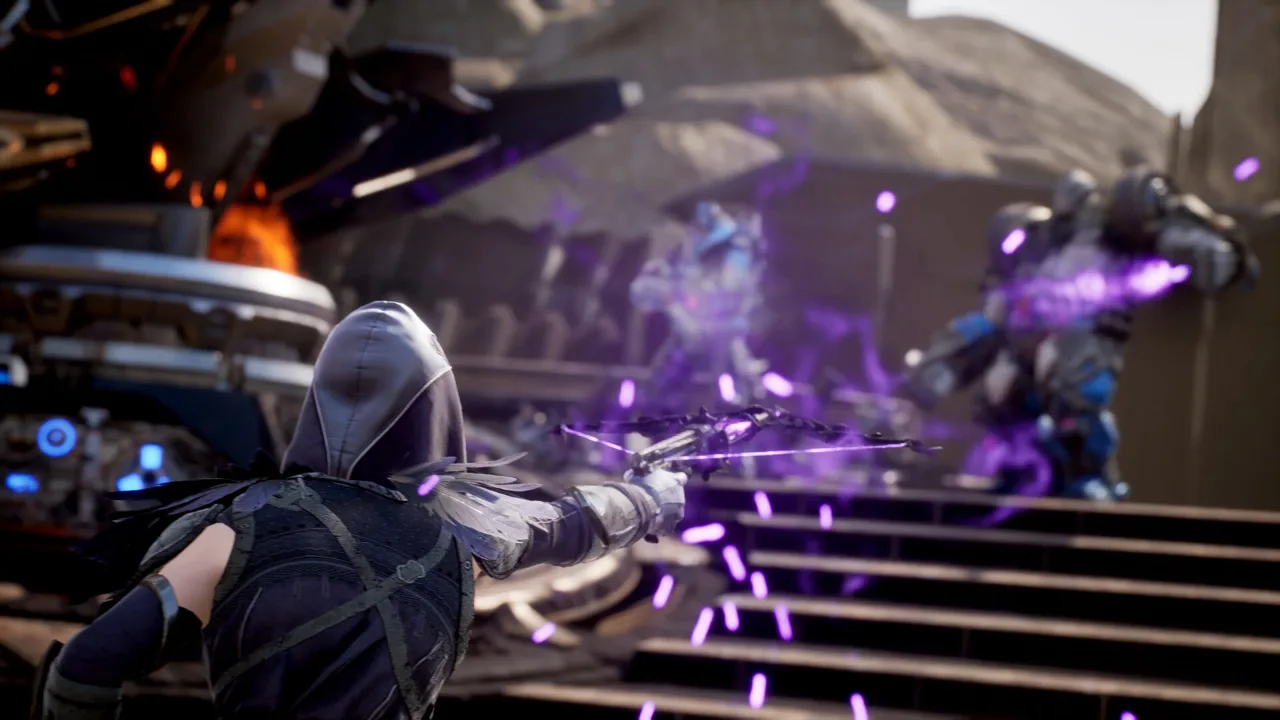
How Does the Map Work?
The Predecessor map connects three lanes through a jungle, giving every push a possible route for reinforcements or an ambush. Understanding those connections helps you protect your structures and turn fights into progress toward the enemy base. Start with the lane layout, then learn how Daybreak’s experimental terrain changes movement and visibility.
Each lane contains two towers for each team, with an inhibitor farther back toward the base. Destroying enemy structures lets your minions advance deeper into enemy territory, opening the way to attack the Core and win.
The jungle sits between the lanes, with corridors connecting them. Those passages make the battlefield more than a set of separate pushing routes: enemies can approach from outside your lane, and teammates can move between fights.
Five roles operate within that layout: Carry, Support, Mid, Solo, and Jungler. Learn the basic responsibilities of each before queuing, since you won’t always get your preferred assignment.
Keep the next structure in mind when choosing a fight. After forcing enemies away, look for a chance to advance with your minions instead of immediately chasing into the jungle.
Official page: Predecessor (predecessorgame.com)
Daybreak, Twilight, and Legacy Explained
These names refer to different arenas and development efforts.
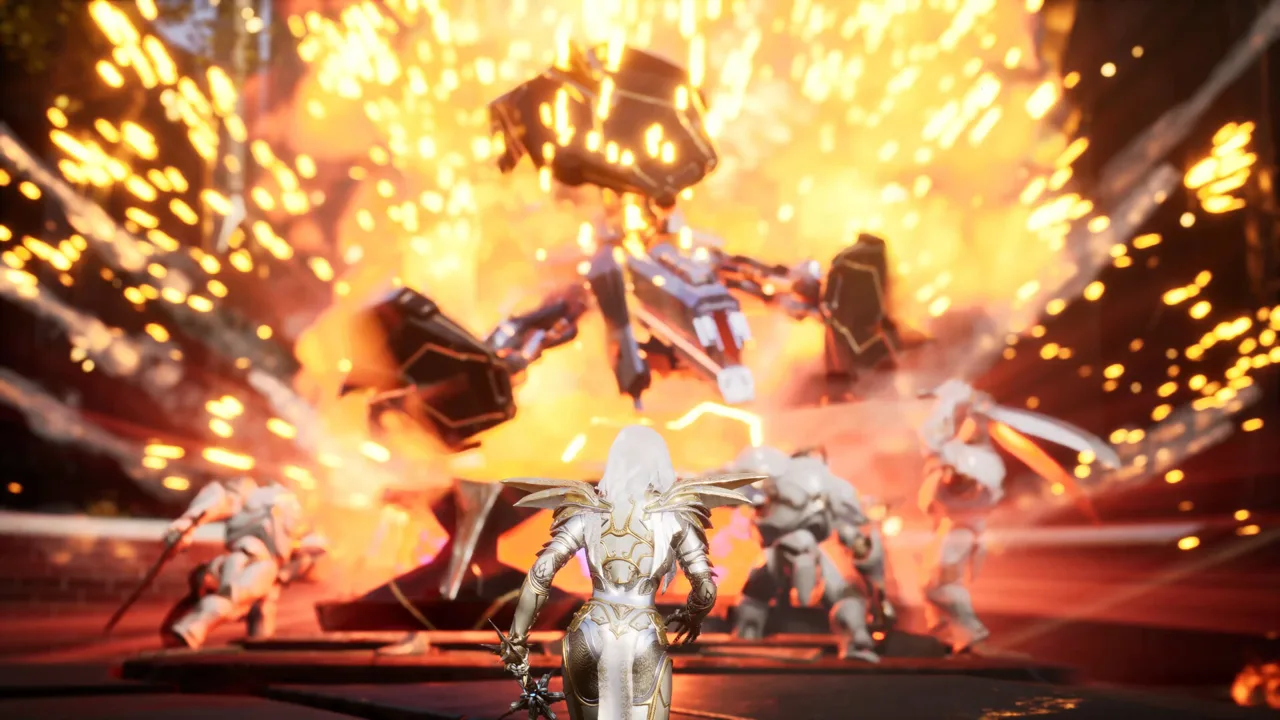 Image: Steam / Omeda Studios
Twilight is the older arena that Daybreak was designed to potentially replace. Daybreak’s design gives an expanded Hero roster and additional objectives more breathing room.
Legacy, also called Agora, is the returning Paragon arena introduced as a limited-time addition in Update 1.7. Its remastered version preserves the original’s identity while adjusting elements of its older design.
Daybreak is a separate arena that draws inspiration from Legacy, especially its verticality and jungle passages beneath lanes. It also incorporates lessons from ARAM and World Shifts.
Daybreak’s initial Pred: Labs test began February 24 with V1.12 and ran for seven days. V2 followed on March 10 for another seven-day test.
Those are separate iterations. The V2 mechanics below belong to that test version; the February and March testing windows were limited events.
Why Daybreak Changes Rotations and Jungle Routes
Daybreak has a more elongated shape than Twilight. Its spacing changes objective placement and the paths connecting different parts of the battlefield.
That extra room also affects jungle travel. V2 reduced jungle camp durability slightly to account for longer distances between destinations. This adjustment applied specifically to Daybreak; it did not change Sanctuary’s camps in Standard or Ranked.
V2 also rearranged parts of the jungle to improve navigation and reduce how easily laners could look inside without exposing themselves.
When learning those routes:
- Trace the full approach to a lane. Include the entrance and your retreat path, rather than judging the rotation by how close the lane looks.
- Check sightlines before invading. V2’s layout changes were intended to make looking into the jungle carry more risk.
- Relearn your route between versions. A familiar-looking section can have different connections after a layout revision.
Verticality matters, too. With passages weaving beneath lanes, knowing an enemy’s general direction is only part of understanding where they can emerge.
Doors, Walls, and Bushes Change Vision
Daybreak’s experimental layout replaces fog walls with deliberately placed walls and doors. The design allows players to peek toward the jungle without crossing a fog curtain just to see beyond it.
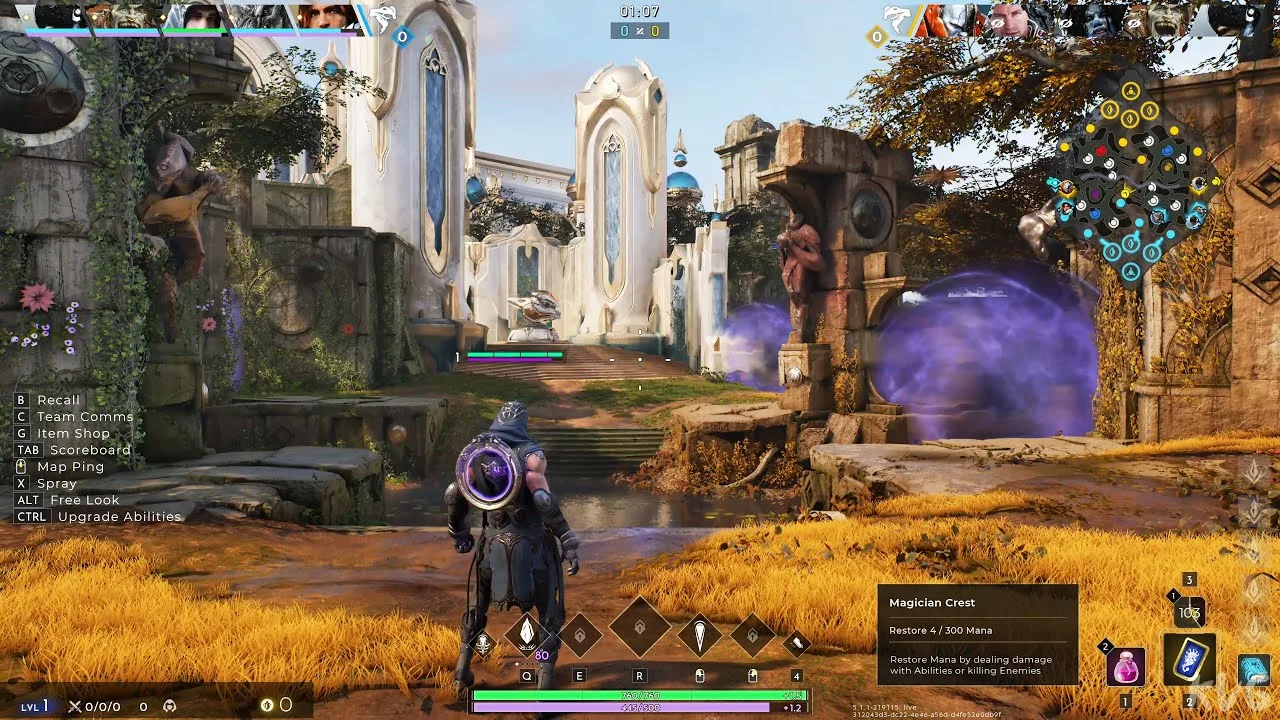
That changes how you approach an entrance. Check the angle before moving through, then account for nearby hiding places. A visible doorway doesn’t reveal every position around it.
Wards remain important because clearer entrances still leave room for concealed approaches and ambushes. Place vision around the route you intend to use or defend, especially before committing to a jungle passage.
V2 introduced bushes at strategic locations and removed Shadow Pools from Daybreak. Bushes provide places to hide and set up ambushes.
Check bushes along your approach before committing to a chase. When using one yourself, choose a position that covers an enemy’s likely route rather than hiding somewhere disconnected from the fight.
Daybreak V2’s Plants, Offlane, and Orb Arena
V2 added gold plants and speed plants, giving players additional reasons to pay attention to the terrain between fights.
Attack a gold plant to earn extra gold. The interaction is straightforward: recognize it as a resource you can claim while moving through the arena.
Attack a speed plant to grant +50% Movement Speed to all allies within 1000u for 5 seconds. Its short duration makes timing and positioning matter.
Gather nearby teammates before triggering the speed plant, then use the boost for the movement you’re ready to make. Spending those five seconds waiting for allies wastes part of the benefit.
Offlane also changed in V2. The lane became wider and gained bushes after its earlier layout felt exposed and cramped. Account for the new hiding spots when choosing where to stand or pursue an opponent.
The Orb Arena received additional entry options intended to broaden access beyond Heroes with strong mobility. Learn the available entrances with your chosen Hero before committing to an approach. Use those routes when planning how to join a fight around the arena.
Continue exploring
Predecessor Valmont Build: Skills, Mana, and Augments
Shape your Predecessor Valmont build around magical power, Lilith, and smart mana use. Learn ability priorities, augment tradeoffs, and teamfight tactics.
Predecessor Crucible Guide: Objectives and 3v3 Tips
Master Predecessor crucible with a guide to 3v3 objectives, Raptor buffs, Shaper, jungle routes, and map mechanics. Learn what to prioritize in each match.
Join the community
Official channels for news, updates and player help: